
General practice has always involved navigating uncertainty, but the pace and scale of change facing GPs today is unprecedented. Changing clinical guidelines, rising patient expectations, and an evolving regulatory landscape are combining to create a more complex and potentially risky working environment.
In this context, medical indemnity cover is an essential component of safe, confident and sustainable practice, enabling clinicians to make decisions in the best interests of their patients. It provides GPs with protection against the financial and legal consequences of complaints, claims, or regulatory investigations that can arise. With Medical Defense Society membership, GPs also have access to expert advice, guidance and representation, giving reassurance and practical support when they need it most.
A profession under pressure
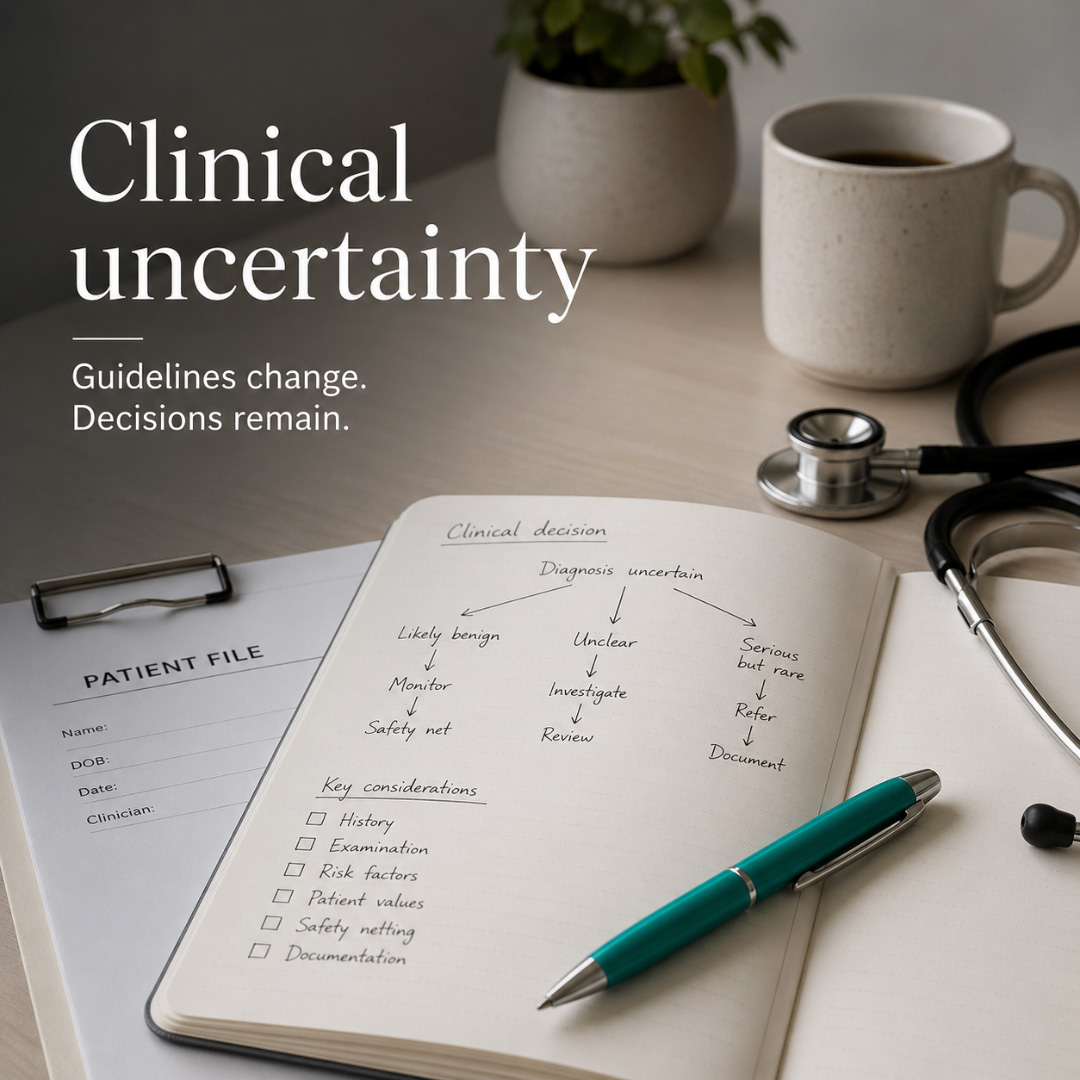
Working in general practice means managing medicolegal risk on a daily basis. GPs routinely work in areas where evidence is incomplete and guidelines are rapidly changing, adding to the inherent uncertainty in patient care decisions. At the same time, regulatory scrutiny is intensifying, while patients are becoming more informed and willing to challenge care. In this environment, the threat of complaints, claims, and investigations is an increasing source of anxiety for many GPs.
In private and NHS general practice, complaints and claims are now a common feature. In the NHS, primary care (GP and Dental) generates the largest share of complaints, with nearly 143,000 recorded in 2024–25, a substantial rise over recent years. Clinical negligence claims are also increasing, with general practice accounting for the highest volume of cases, although most are relatively low in value (£25,000 or less).
For many GPs, the experience of receiving a complaint or being contacted by the General Medical Council (GMC) is unfamiliar and deeply stressful. Although many complaints will be resolved without litigation and most GMC investigations ultimately result in no further action, the process of dealing with these can be lengthy, complex and emotionally challenging. Many doctors are unprepared for this eventuality and lack knowledge about how such processes unfold.
Why medicolegal risk is increasing
Understanding the drivers behind rising complaints and claims is key to managing risk effectively. While clinical errors such as misdiagnosis remain important, many cases arise from broader systemic and communication issues.
Common triggers include diagnostic delays (particularly in serious conditions such as cancer, sepsis and cardiac disease), failures in follow-up or results handling, medication errors, and inadequate documentation. Communication failures, especially around informed consent and safety-netting, are also a frequent source of dissatisfaction and dispute.
However, these risks are amplified by systemic pressures within healthcare. Staff shortages, increasing workloads, fragmented care pathways, and limitations in IT systems all contribute to an environment where errors are more likely to occur. Difficulties in accessing care and delays in referrals are also driving patient frustration and complaints.
The rise of remote consulting, telemedicine, and emerging technologies such as artificial intelligence (AI) introduces additional layers of complexity. While these tools offer clear benefits, they can make it harder to assess patients accurately, pick up non-verbal cues, and ensure safe follow-up. Patients are also increasingly using online resources and AI tools to inform themselves about their health, which may raise their expectations and increase the likelihood of complaints.
Navigating evolving standards
GPs must keep pace with continually evolving clinical standards. Updates to guidelines, changes in NHS policy, and revisions to contractual frameworks all influence day-to-day practice.
Recent updates to clinical guidance emphasise earlier referral and treatment, prevention rather than treatment, and more standardised care pathways. For example, GPs will be familiar with the notable 2025/26 updates to National Institute for Health and Care Excellence (NICE) guidelines, such as: Suspected cancer: recognition and referral; Sepsis (three separate 2025 guidelines); Type 2 diabetes in adults: management; and Overweight and obesity management.
Controversial changes to the GP contract have introduced the new requirement for clinically urgent same day access across general practice, intensifying workload and time pressures for GPs. The contract changes also reflect a growing focus on preventative care, and there is alignment with updated clinical indicators for childhood vaccines, diabetes, obesity, and heart failure to support more clinically effective care.
Regulation is evolving too. The GMC has moved towards a more preventative and less adversarial approach, with greater emphasis on professional culture, inclusivity and early resolution of concerns. This was reflected in the 2024 update to Good Medical Practice. For the future, planned legislative reforms aim to modernise regulation further, making processes faster and more proportionate.
While these changes are largely positive, they also introduce greater uncertainty and pressure. GPs must interpret and apply new guidance on a daily basis, while still delivering high standards of care.
The role of medical indemnity in uncertain times
In this complex environment, medical indemnity membership plays a critical role in supporting GPs. It provides not only financial protection against claims, but also access to expert medicolegal advice, practical risk management guidance, and emotional reassurance.
One of the key benefits of indemnity support from Medical Defense Society is that we can help clinicians anticipate and understand risk. By identifying common triggers for complaints, such as poor communication, inadequate safety-netting or gaps in documentation, we enable GPs to adopt protective behaviours in their everyday practice, in accordance with Good Medical Practice.
For instance, maintaining clear and contemporaneous records is vital. Accurately capturing clinical reasoning, advice provided, and any uncertainties helps ensure decisions can be understood and defended if later reviewed. Equally, effective safety-netting, to give patients clear guidance on what to expect, which warning signs to watch for, and when to seek further care, is a key safeguard, especially where there is diagnostic uncertainty.
Communication and shared decision-making is another critical area. Whether consulting face-to-face or remotely, GPs must ensure that patients fully understand the information and advice provided, along with the proposed management plan and its associated risks, so that valid informed consent is obtained. In remote consultations, where visual cues may be limited, this requires particular care and clarity.
We also emphasise the importance of follow-up and review. In higher-risk situations, such as repeated patient contacts, ongoing symptoms or uncertain diagnoses, a low threshold for reassessment can help prevent adverse outcomes. Clear communication between colleagues, especially around referrals and handovers, is also important in maintaining continuity and safety of care.
Supporting better decision-making
Medical indemnity membership actively supports better clinical decision-making. At Medical Defense Society, members have access to 24/7 medicolegal advice, allowing GPs to pause and seek guidance when faced with complex or uncertain situations. This can be invaluable when dealing with ethical dilemmas, challenging patient interactions, or potential complaints.
Our support promotes thoughtful, patient-centred care. GPs are empowered to make decisions based on clinical judgment, evidence and patient values, knowing they have expert backing if needed. We also reinforce key professional principles, including practising within competence, staying up to date with current guidance, and engaging in ongoing professional development.
Importantly, medical indemnity membership fosters a culture of openness and learning. We encourage clinicians to report incidents early, communicate with candour when things go wrong, and reflect on their practice. This not only helps resolve issues more effectively, but also contributes to wider improvements in patient safety.
Our recent case study highlights the importance of GPs contacting Medical Defense Society as soon as they receive any correspondence from the GMC. Early engagement provides our members with access to expert support and reassurance, including assistance in preparing an appropriate response. Providing a clear and proportionate initial response to any complaint, claim or GMC letter is essential to promote early resolution and reduce the risk of escalation. We can guide members through this process, offering reassurance during what can be a particularly stressful time.
